Tuesday, September 6, 2016

Gifts of Gardening

I don't know if it's the case for everyone, but my garden has done very well this year.  Gardening gives me a great sense of satisfaction, especially when it's harvest time.  This year I have green onions, lettuces, carrots, beets, green beans, peas, peppers, tomatoes, cucumbers, squash, black raspberries, and even a couple watermelon.

The most obvious perk of gardening is providing your own inexpensive source of healthy fruits, vegetables, and herbs which should make up the majority of our diet.  Even though your garden may not be "certified organic," you can know firsthand that your food is grown in healthy soil and free of toxic pesticides.  If you do need to spray (fruit trees, for instance), check into using natural, organic, safe pesticides instead of harmful chemicals.

Gardening offers more health benefits than just the fruits of our labor.  First of all, it gets people outdoors.  I have a pretty good tan going, and it's definitely because I sunbathe--it's my "gardener's tan."
Daily exposure to sunshine (for its critical vitamin D and natural light which helps set the body's clock) and fresh air is very important, but did you know how beneficial it is to have your hands and feet in the grass and soil?  When I head out to my garden, I go with bare feet and no gloves.  There are beneficial microbes in the soil as well as the fact that exposure to other microbes, bacteria, and "germs" in dirt actually strengthen the immune system.

 
There is also the benefit of directly connecting with the earth's energy...this is called "grounding" or "earthing."  Grounded.com describes it this way:  "Being connected to the Earth's energy helps bring us back to our natural electrical state which is vital to our health as we are electrical beings! Connecting to this energy and regaining balance is one of the keys to fostering optimum health. The Earth is quite possibly the biggest "anti-oxidant"; and when we touch it, our bodies are flooded with electrons which our bodies use to counteract free radicals or inflammation in the body. Grounding immediately equalizes your body to the same energy level as the Earth. This results in synchronizing your internal biological clocks, hormonal cycles, and physiological rhythms. The profound effect of Grounding can provide healing, calming and balancing effects on the physical, mental and emotional bodies."  Any time you have the opportunity to walk barefoot in the grass, dirt, or sand, you should take it!
 
If you don't have a yard large enough for a traditional garden plot, there are many creative ways to grow your own food--even in limited spaces like apartments.  Raised beds can be configured for just about any space--for instance long, narrow beds can be put along fence lines without taking up much yard space.  Container gardening is another easy, space-saving method to grow many plants such as tomatoes, peppers, and herbs.  I have seen many ideas such as using trellises, pallets, and bales of straw.  With a little research, you can find a solution for whatever gardening challenge you have.
 
Gardening can also contribute to mental health.  I enjoy weeding and working in my gardens as a stress-reliever.  Planning a garden and ordering seeds is a great idea in January and February to help beat those winter blues.  Not to mention the good feelings that come from spending time in nature and enjoying its beauty.
 
And don't forget the benefits for your kids--teach them how to grow their own food, and let them play outside in the fresh air, sunshine, grass, dirt, and mud!  You'll be doing them a favor.

 So, if you haven't already...get gardening!

Wednesday, July 27, 2016

Love Your Lymph!

How much do you know about your lymphatic system?  Prior to being diagnosed with cancer, I knew swollen lymph nodes were a sign of illness, and that lymph nodes were often mentioned when dealing with cancer, but I didn't understand why.  Since I consider myself an average person, I'm going to assume most of you have the same limited knowledge that I did, so I would like to share the importance of the lymphatic system and what you can do to maintain a healthy one.  It's easier than you may think!
 
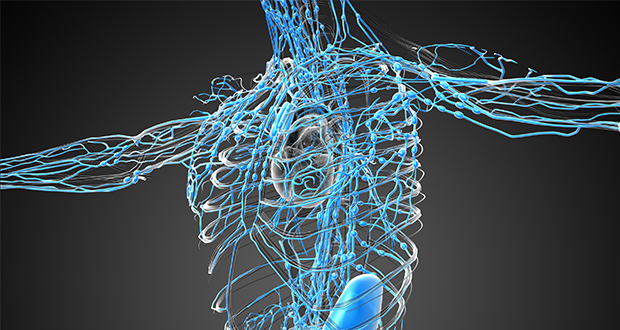
The lymphatic system is one of two major circulatory systems in the body--the other one being your blood (cardiovascular system)--and these two systems are interdependent, so that one cannot function without the other.  The lymphatic system delivers immune cells throughout the body while transporting dead cellular waste and toxins to the blood system to be eliminated from the body.  The lymphatic system is also responsible for absorbing excess fluids from the body.  The lymphatic system is a key component of the immune system, and if you've read my previous articles, you know that a strong, functioning immune system is absolutely essential to prevent and fight cancer. 

Think of the lymphatic system as a drainage system...if it becomes clogged or impeded in any way, it will move sluggishly or become completely blocked.  Toxins and cell waste accumulate causing a burden on the body leading to any number of health conditions including cancer, while immune cells are prevented from reaching all areas of the body to do their job.

There are 500-700 lymph nodes in the body with concentrations of them located in the neck, chest, underarms and groin.  Lymph nodes become swollen when disease-causing agents are trapped in these check points where immune cells are busy fighting them.  Consider the fact that in conventional medicine, lymph nodes are often surgically removed in order to either determine the presence of cancer cells or because they are known to be cancerous.  There are several problems with this standard procedure resulting in questions about whether lymph node removal does more harm than good.

First of all, it must logically be questioned whether it is wise to cut out lymph nodes, especially if they are just doing their job.  It seems more logical to view cancerous nodes as having successfully trapped the cancer cells to be neutralized by immune cells.  Does it make sense to cut apart a functioning system?  Secondly, the side effects of lymph node removal can be permanently debilitating. Lymphedema is a condition of swelling in the arm(s) or leg(s) caused by the lymph system being unable to drain; this can lead to pain and loss of use in the affected limb.  It is common for lymphedema symptoms to be delayed for weeks, months or even years after lymph node removal. Thirdly, studies have been done on breast cancer patients showing no statistical benefit to lymph node removal.  The outcomes of patients undergoing lymph node removal were almost identical to those of patients who did not have lymph nodes removed. 

My surgeon recommended a "sentinel lymph node biopsy" in conjunction with the lumpectomy of the tumor in my breast.  He wanted to remove 2-3 of the lymph nodes closest to the tumor and test them for the presence of cancer cells.  After I read that the sole purpose of the procedure was for the doctors to know whether or not to recommend chemotherapy treatment, and then confirmed that information with my surgeon the day before my surgery, I declined the lymph node biopsy.  If a cancer patient has already made the decision either to have or to refuse chemotherapy, lymph node biopsy is unnecessary.  I wanted my immune system intact and fully functioning, and I did not want the unnecessary risk of suffering from lymphedema down the road.

Now, let's discuss some ways you can keep your lymphatic system healthy.
  • Exercise  Unlike blood vessel walls which have muscles that contract to circulate the blood, lymphatic vessels do not have muscles.  Lymph fluid is only pulled through the vessels as they respond to the body working against gravity.  Exercise with an   up-and-down motion is best--walking is okay, running is better, and rebounding is best.  Rebounding is low-impact bouncing on a mini-trampoline called a "rebounder."  The bouncing can even be done from a seated position.  Exercise also increases the oxygen supply to muscles and cells, stimulating them to release toxins.


  • Dry Brushing  Dry brushing involves gently moving a coarse brush along the skin in the direction of the heart.  (The main lymphatic drain is located at the heart.)  This stimulates sweat glands and circulation below the skin which boost lymph flow.
  • Hydration  Lymphatic fluid is composed primarily of water, so adequate hydration is absolutely necessary for the lymphatic system to operate at it highest level.  Drinking purified, mineralized water with antioxidants ingredients like lemon juice added is an easy way to promote detoxification.
  • Chiropractic  Correcting anatomical abnormalities or displacement in the upper chest region and rib cage (which acts as a critical lymphatic pump) from everyday activities helps to promote pressure within the thoracic region which allows the final dumping of toxins from the lymphatic system to the blood for cleansing. 
  • Anti-inflammatory Diet  A healthy diet with lots of antioxidant fruits and vegetables and healthy fats is key to a healthy immune system.  One reason the gut is linked to the immune system is the presence of lymphatic vessels at the site of the intestines.  An unhealthy diet not only overburdens the immune system as a whole, but it can also easily damage those lymphatic vessels.
  • Reduce Stress  When you are under stress, your body--including your lymphatic system--is under stress.  Use stress-reducing techniques such as regular stretching exercises, deep breathing, good posture, and massage therapy.  Massage promotes the flow and drainage of lymph, improves the immune system, and can provide pain relief.
  • Avoid Tight-Fitting Clothing  Tight-fitting bras (especially under-wire bras) restrict the flow of lymph in the underarm areas and chest which is the main drainage area; tight underwear has the same effect in the groin area where lymph nodes abound.
There are many methods of detoxification, but if your body is dumping toxins and the systems that move the toxins out and eliminate them are sluggish or blocked, the accumulating toxins can cause serious problems.  So show your lymph some love and keep it moving freely!

Thursday, June 30, 2016

Drinking Adequate Amounts of Pure Water

Water, Water Everywhere
 
By now, most people are aware how important water is for our health.  The human body is about 60-75% water.  Babies and kids usually have a higher body percentage of water than adults.  Men generally have a higher percentage than women.  People with higher muscle mass have a higher percentage, and conversely, people with higher fat content have a lower percentage.  Water is necessary for every single bodily system to even exist and/or function.  Water is required at the cellular level.  Plasma, which makes up about 55% of blood volume, is 92% water.  Vital organs (brain, heart, lungs, liver, kidneys) are 65-85% water depending on the organ.  Even bones are 15-20% water.  Maintaining proper hydration is beneficial for circulation, detoxification, proper digestion, relief of muscle and joint inflammation, healthy skin, and maintaining a healthy weight.
 
As I did cancer research, the importance of drinking enough water was made obvious, and drinking enough pure water was emphasized even more.  Seventy to eighty percent of Americans are in a state of chronic dehydration, and they don't even realize it.  The more one is hydrated, the less the risk of several kinds of cancer.  So one of the simplest ways to increase your health and reduce your cancer risk is to drink more water.
But what kind of water should we drink?  Tap water, bottled water, distilled water, purified water, mineral water, spring water, alkaline water?  It can get complicated!  Hopefully I can help clear it up a little.
 
Tap water contains high amounts of arsenic, aluminum, fluoride (fortunately Kiel's city water is not fluoridated), and chlorine (which are all toxic), parasites, prescription and over-the-counter drugs, hormones, and disinfection by-products (DBPs).  Chlorine is nasty in and of itself, but DBPs are the results of disinfecting water with chlorine, and are 10,000 times more dangerous than chlorine!  DBPs are potent carcinogenics and have been linked to serious kidney, liver, and nervous system problems.
 
Bottled water is often just bottled tap water.  And plastic bottles contain more harmful chemicals that leach into the water.
 
Distilled water is actually dangerous to drink on a long-term basis.  Distilled water is boiled and evaporated away from its dissolved minerals, leaving the water acidic and seeking to balance itself by drawing minerals right out of your body.  For the same reason, it also draws out contaminants from the container it's stored in.  What's worse, any contaminant in the water that vaporizes at a lower temperature than the water, such as volatile organic compounds like DBPs, will be condensed and actually concentrated in the finished distilled water. So you end up with contaminants that are even more dangerous than those present in the water when you started!  There may be a place for drinking distilled water on a very short-term basis for detoxification purposes only, since it will draw out toxins from the body, but otherwise it should be avoided.
 
Alkaline or ionized water is highly touted in some health circles as the ultimate healthy water--especially for fighting cancer.  Cancer is generally recognized as thriving in an acidic state, so changing from acidic to alkaline would fight cancer.  However, alkaline water causes problems, too--especially among individuals with digestive problems related to having too little digestive acids.  Alkaline water, like distilled water, should only be used for a week or two at most for detoxification.  Alkaline is the opposite extreme of acidic, and neither extreme is beneficial overall.  The body needs balance.  A side point is that ionizing water machines are usually very pricy and sold by multi-level marketing companies which can have questionable ethics.
 
Spring Water, specifically mountain spring or gravity fed spring water is neither too alkaline nor too acidic--its pH is neutral (between 6.5 and 7.5) which is the ideal balance for the body.  It is also living water (just like we encourage eating living foods) with naturally occurring minerals that structure the water to be very beneficial to the body.  (And I don't mean the jugs of "spring" water sitting on store shelves.)  There is a very cool website called http://www.findaspring.com/ that will direct you to local gravity-fed springs where you can collect your own water--using glass or stainless steel containers, of course.
 
Purified Water is the best option for in-home use, but there are many choices here, too.  There are all kinds of water filter systems available from faucet filters, showerhead filters, whole-house filter systems, etc., using different types of filters at a wide range of costs.  I used to be interested in a reverse osmosis system, but I found that the process actually results in acidic water, and the units are very expensive and require a plumber to install.  To keep a long story short, I will share the system that I purchased for my home after doing quite a bit of research.  I bought the Berkey Water Filtration system, which is a highly recommended, guaranteed & warranteed free-standing, gravity-fed purifier that is a very high quality, portable, economical, and the most simple system I found.  There are different sizes of units based on your family/group size.  We've been using it since January, and I absolutely love it!  I receive no incentives for promoting this product; I just love it.  :)  Check out their website, and read every bit of information on it for yourself.  http://www.berkeywaterfilters.com/

Thursday, June 2, 2016

The Mighty Avocado

When I was diagnosed with breast cancer three years ago, I was told that the cancer I had was estrogen receptor and progesterone receptor positive (ER+ and PR+), which means that the cancer cells had receptors for estrogen and progesterone hormones and were "fed" by them.  One of the treatments recommended by the doctors was a drug named Tamoxifen which lowers estrogen levels in the body.  It sounds like a no-brainer...take Tamoxifen to lower estrogen levels, thus depriving the evil cancer cells of one of their sources of vitality.  But I discovered that it's not that straightforward.  Tamoxifen induces menopause along with all its lovely symptoms as well as a host of other unpleasant side effects.  Ugh.  One of the common side effects is weight gain...being overweight increases the risk of cancer.  Do you see the contradiction?  Tamoxifen is commonly prescribed for FIVE YEARS.  The kicker, though, was discovering that Tamoxifen causes uterine cancer.   Yes, you read that correctly.   I have since heard of woman after woman who did, in fact, develop uterine cancer after taking Tamoxifen for breast cancer.  I was not too keen on trading one cancer for another.  The doctors do offer an alternative to taking Tamoxifen: have a hysterectomy and remove the hormone producing organs altogether.  Needless to say, I did not find that an acceptable option.

What I did do was more research.  I learned that estrogen dominance is very common and is the cause of all kinds of adverse health conditions besides cancer--for men as well as women.  Too much estrogen results in low testosterone levels for men and low progesterone levels for women.  I learned that we are all exposed to high levels of false estrogens from environmental toxins, cleaning and beauty products, hormone-laden animal products that we consume, plastic, and even thermal receipt paper.  What I found was that not only does a healthy lifestyle (healthy diet, exercise, maintaining a healthy weight, etc.) automatically help keep estrogen levels low, but there are also foods that are specifically anti-estrogenic...foods that block the estrogen receptors in cells and reduce the body's absorption of estrogen.  Avocados are one of these anti-estrogenic foods--they are a rich source of cytochrome P-450 enzymes which are involved in estrogen metabolism--and they offer so much more.

The mighty avocado protects the liver, improves cholesterol, and improves osteoarthritis symptoms.  It is antibacterial, antifungal, and anti-aging.  Avocado oil can reduce age spots, soften and rejuvenate the skin, and boost collagen.

Avocados contain almost all of the essential nutrients that our bodies are not capable of making on their own.  Avocados are very high in antioxidants, fiber, and potassium--they contain 1/3 of the recommended daily allowance of fiber and twice the potassium of a banana.  They also contain Vitamin A, B vitamins, vitamin C (33% RDA), D, E, and K (36% RDA) as well as folic acid, calcium, magnesium, sodium, iron, and boron.

Avocado is able to penetrate to the mitochondria of a cell and activate its energy production.  This allows cells to function properly even when they are constantly attacked by free radicals.

Avocados are an excellent source of monounsaturated fat--a good fat that helps lower cholesterol and is good for heart health.  A diet high in healthy fats is very good for weight loss and treating Type 2 Diabetes.  Avocados contain oleic acid, which studies have shown to be able to treat and prevent Type 2 Diabetes.

Avocados contain the amino acid lecithin which protects against liver overload, helps balance weight, and boosts brain function. 

Avocados are rich in phytochemicals called carotenoids including beta-carotene, lutein, and zeaxanthan which are beneficial for eye health and can prevent age-related macular degeneration.  They also boost the body's ability to absorb fat-soluble nutrients like alpha- and beta-carotene and lutein. 

As is the case with most fruits and vegetables, the skin and seed contain the highest concentration of nutrients.  The seed contains 70% of the anti-oxidants in an avocado, and most of the soluble fiber.  Avocado seeds are anti-inflammatory, antiviral, antibacterial, antiparasitic, and boost the immune system.  They are used to treat gastro-intestinal problems and prevent gastric ulcers.  They also contain a flavonoid that has been shown to stop tumor growth.

Avocado skins have antibiotic and antiparasitic properties, and the leaves can also be used in poultices to speed wound healing or as a tea to treat sore throats and diarrhea.  

Avocados taste great raw in salads, smoothies, and guacamole.  Add them to sandwiches, including burgers, or as a garnish for almost any dish.  Avocado oil can be used as a high-heat cooking oil as well as a base for salad oils and dressings. Avocado seeds can be dried and ground up for use in smoothies, etc.

Avocados are one of the staples in my diet, and hopefully this information encourages you to add this mighty fruit to your diet regularly as well!

Friday, May 13, 2016

My New Favorite Toothpaste

I have posted previously about fluoride and the fact that it's a highly toxic poison, which is why I only buy non-fluoridated toothpaste for myself and my kids.  Since my cancer diagnosis, I have learned about other natural methods of dental hygiene including diet (surprise, surprise), oil-pulling, and homemade toothpaste. 

Oil-pulling has become a regular part of my routine.  I simply put a small amount of coconut oil in my mouth and swish, squish, and goosh it around for about 10 minutes, making sure to work it through all of my teeth; then I spit it out and rinse.  My mouth definitely feels cleaner after oil-pulling.

I drink a lot of organic green tea--brewed hot with apple cider vinegar and raw honey--especially during the cold months.  Lately, I have noticed dark stains on my teeth from the green tea.  One day I decided to try brushing my teeth with baking soda, so I put a little coconut oil on my toothbrush, dipped it in baking soda, and went to work!  The baking soda has a salty taste to it, but it didn't bother me at all.  When I was finished, I was amazed at the results!  First of all, my mouth felt incredibly clean, and when I looked in the mirror, all the tea stains were completely gone!  I really couldn't believe that they were gone after brushing only one time with baking soda.  As I have continued to use coconut oil and baking soda, I can tell it is whitening my teeth, and I absolutely love how clean my mouth feels afterward. 

I have come across several links to recipes for making homemade toothpaste, so I know it's easy to find one if you're interested.  Below is one recipe that is as basic as it gets:


Monday, May 2, 2016

Save the (Dande) Lions!

There is a large grass field behind our church on the church property, and this past Sunday, to the delight of my young nephew who picked large bouquets for his mama, the field was covered with bright yellow dandelions.  My nephew declared, "It's a dream come true!"  How sweet is that?  The adults laughed and groaned at this sentiment, since a lawn full of dandelions isn't very desirable to most grownups. 

I would like to change the mindset of wanting to poison and eliminate dandelions as weeds to wanting to "save" them.  Other than being appreciated for the joy and pleasure the sunny, cheerful flowers bring to young children (and their mothers) everywhere, dandelions should be valued for their very powerful, important health benefits. 

All parts of the dandelion plant--flower, leaves, and root--are edible, and it doesn't take much searching on the internet to find dozens of recipes.  Common uses include teas, salads, sautéed greens, and even roasted dandelion root coffee.  Similar to purslane, a nutritious plant that Americans treat as a weed but is viewed as a common food in other countries (I wrote an article on purslane last year), dandelions are consumed as staple dietary greens in countries such as Greece and France.                               
 
Young leaves are best; more mature leaves may have a bitter, acrid taste, which can be alleviated by blanching them for 20-30 seconds in boiling water before adding them to soups or salads.  Dandelion roots can be used fresh or dried before chopping or grinding for use in tea or coffee.  Obviously, only plants that have not been sprayed or treated with weed killers should be used. 

Dandelions have been used medicinally since the 10th and 11th centuries.  They are probably most well-known for their liver detoxifying properties, but they are also beneficial for the spleen, pancreas, stomach, bladder, kidneys, skin, and eyes.  They are anti-inflammatory, aid in digestion, purify the blood, improve circulation, and regulate blood sugar, among other things.  Dandelion root has also been studied and found effective against cancer--it caused leukemia cell death and stopped the growth of melanoma cells without harming normal healthy cells.

Dandelion roots and leaves are very high in vitamin K which is important for strengthening bones, necessary for the body to properly use vitamin D, and showing promise in fighting Alzheimers and dementia by protecting brain neurons from damage.  Dandelions contain high amounts of vitamin A and fiber as well as protective flavanoids, vitamins C and B6, thiamin, riboflavin, calcium, iron, potassium, manganese, folate, magnesium, phosphorus,
and copper.                                                
 
As a side note, dandelion flowers are one of the first sources of food for honey bees in the spring, which is another reason not to use weed killer or cut them down immediately.  As a side-side note, making sure the flowers you buy are not treated with neoniconoids--which kill bees--is another simple step to help nature, which in turn helps us.                                                                                  
 
Dandelions do spread prolifically if not kept under control, but please don't spray or treat your lawn with toxic, carcinogenic weed killers and poisons which are harmful for you, your kids, your pets, and other natural animal and plant life.  If a lawn full of dandelions bothers you, a very effective way to control dandelions with absolutely no harmful side effects is to simply dig them by hand. This method may be more time-intensive and less convenient, but it is also less costly and much safer.  So many of the health and environmental problems plaguing America today are due to choosing convenience over safety, so let's take one simple step to go back to doing what is best instead of what is easiest.                                                                              
Dandelion Tea
8 dandelion flowers & 5 young leaves, cleaned
1 dandelion root, cleaned and chopped
1-2 cups water
honey, lemon (optional)                                                          
Place flowers, leaves, and root in a mason jar.  Add boiling water; cover lightly and let steep for about 10 minutes.  Strain out the liquid and add honey or lemon if desired.

Wednesday, March 30, 2016

Hot and Spicy is Healthy!

It never ceases to amaze me how many powerful
"medicines" are available to us through naturally-occurring foods.
 
Capsaicin is the topic this time. Capsaicin is the phytonutrient or phytochemical (phyto meaning found in plants) compound found in hot peppers; it is also found, in lesser amounts, in sweet peppers.  Hot peppers are also a good source of vitamin C, beta-carotene, and potassium.  Capsaicin is responsible for the burning sensation you feel on your lips and tongue when eating hot peppers.  (It can also irritate mucous membranes, eyes, and any areas of broken skin, so precautions such as not touching your eyes when handling hot peppers and washing your hands thoroughly afterward need to be taken.)  Hot peppers include cayenne, habanero, jalapeno, spur or tobasco, Serrano, green and red chilies, among others.
 
Cancer  Capsaicin has antioxidant properties, fighting the production of free radicals which cause cell damage.  Cell damage can lead to cancer.  Capsaicin has been shown to disrupt the mitochondria (major energy source) of cancer cells, causing programmed cell death (apoptosis) of cancer cells without harming normal cells.  In studies, capsaicin suppressed the growth of human prostate cancer cells and killed 80% of them.  It also reduced the size of prostate and pancreatic tumors by 80% compared to untreated tumors.  Capsaicin is also effective against bladder and breast cancer.
 
Heart Health  Capsaicin increases circulation and blood vessel function.  Studies show it lowers LDL cholesterol and decreases arterial plaque.  Cayenne tincture can purportedly stop heart attacks within 30 seconds.  Interestingly, Dr. John R. Christopher testifies that he would pour a mixture of 1 tsp. of cayenne in a cup of hot water down the throats of heart attack patients (if they were still breathing), and they would be up and around in a matter of minutes.
 
Weight Loss  Spicy foods increase satiety (feeling "full") which can result in less eating.  Capsaicin may help the body burn more calories by increasing metabolism, shrink fat tissue, lower blood fat levels, and fight fat build-up. Capsaicin promotes the breakdown of white fat cells (bad fat) while stimulating the production of brown fat (good fat).  (You may recall an article Dr. Nic wrote in the August 2015 newsletter entitled "White Fat Brown Fat Bad Fat Good Fat.")  Capsaicin also lowers insulin levels after eating, which is beneficial in treating Diabetes.
 
Pain Relief  Although it seems contradictory, the "burning" sensation of capsaicin actually relieves pain.  Capsaicin activates the sensory receptors of nerves; prolonged application of capsaicin (It is used in topical creams and pain patches as well as in capsule form.) depletes the internal chemical stores of those nerves, "exhausting" them.  When the nerve cells are no longer capable of responding, it results in the inability to perceive pain.  Capsaicin also increases blood flow to the skin.  It is used to treat the burning/itching of psoriasis as well as migraines and cluster headaches.
 
Detoxification  Ninety percent of people have some kind of worms/parasites in their bodies, which is a very unpleasant fact.  Daily drinking a mixture of 1/4 tsp. cayenne in a glass of water is an effective way to eliminate those unwanted guests.
 
Hot peppers have been used for thousands of years in healing, and American Indians used them regularly.  Cayenne pepper was applied directly to fresh wounds to stop bleeding and sterilize the wound.  Hot peppers raise body temperature, promote sweating, and stimulate the release of mucous from the respiratory passages (That explains a runny nose while eating spicy food!), which aids in reducing fevers and relieving cold/sinus congestion.
 
Hot spicy peppers are just one more example of God's provision through the foods He created for us.  Incorporating hot peppers (along with other spices, garlic and onions) into the diet is a great way to heal and maintain health, so spice it up!